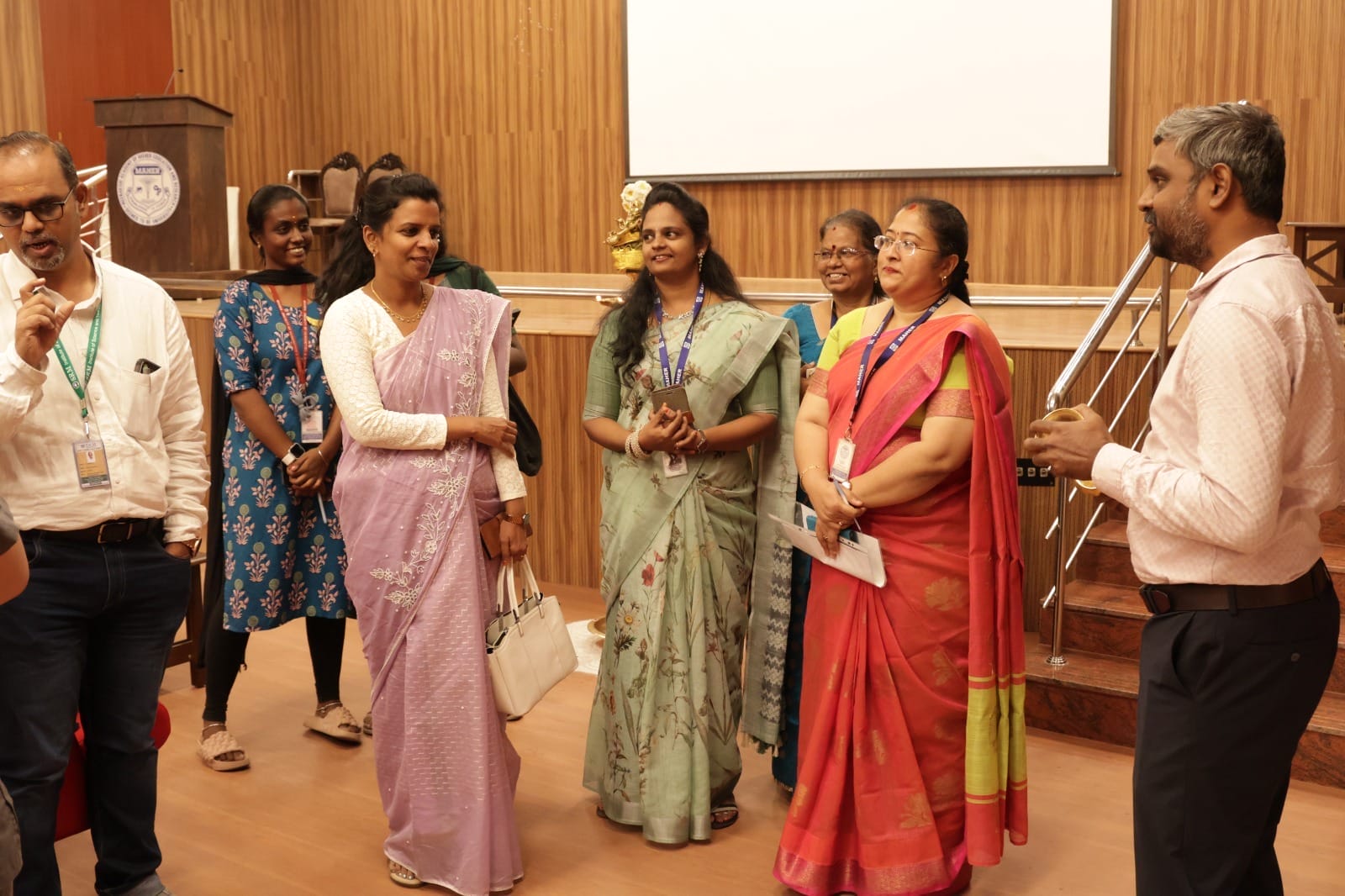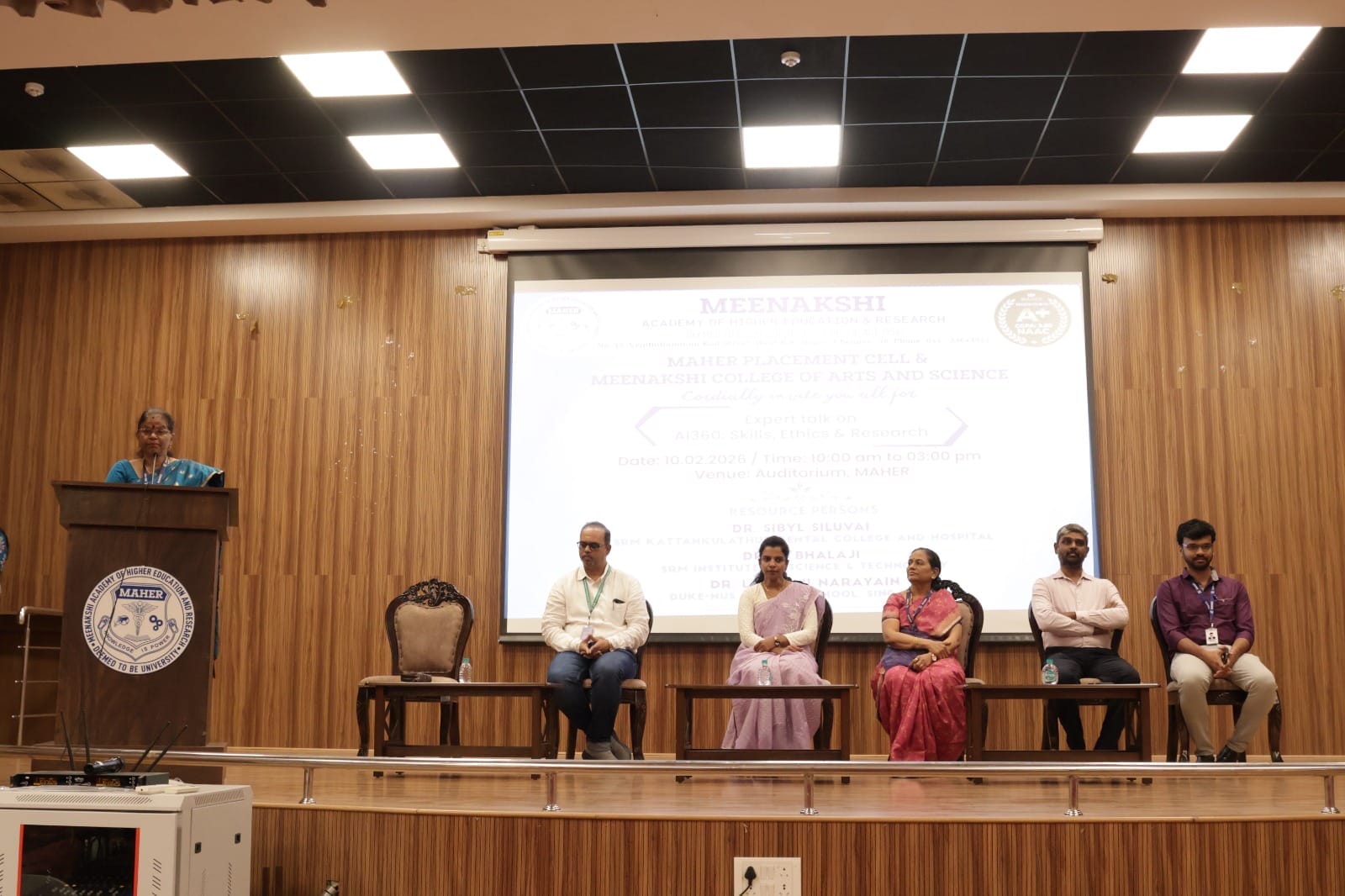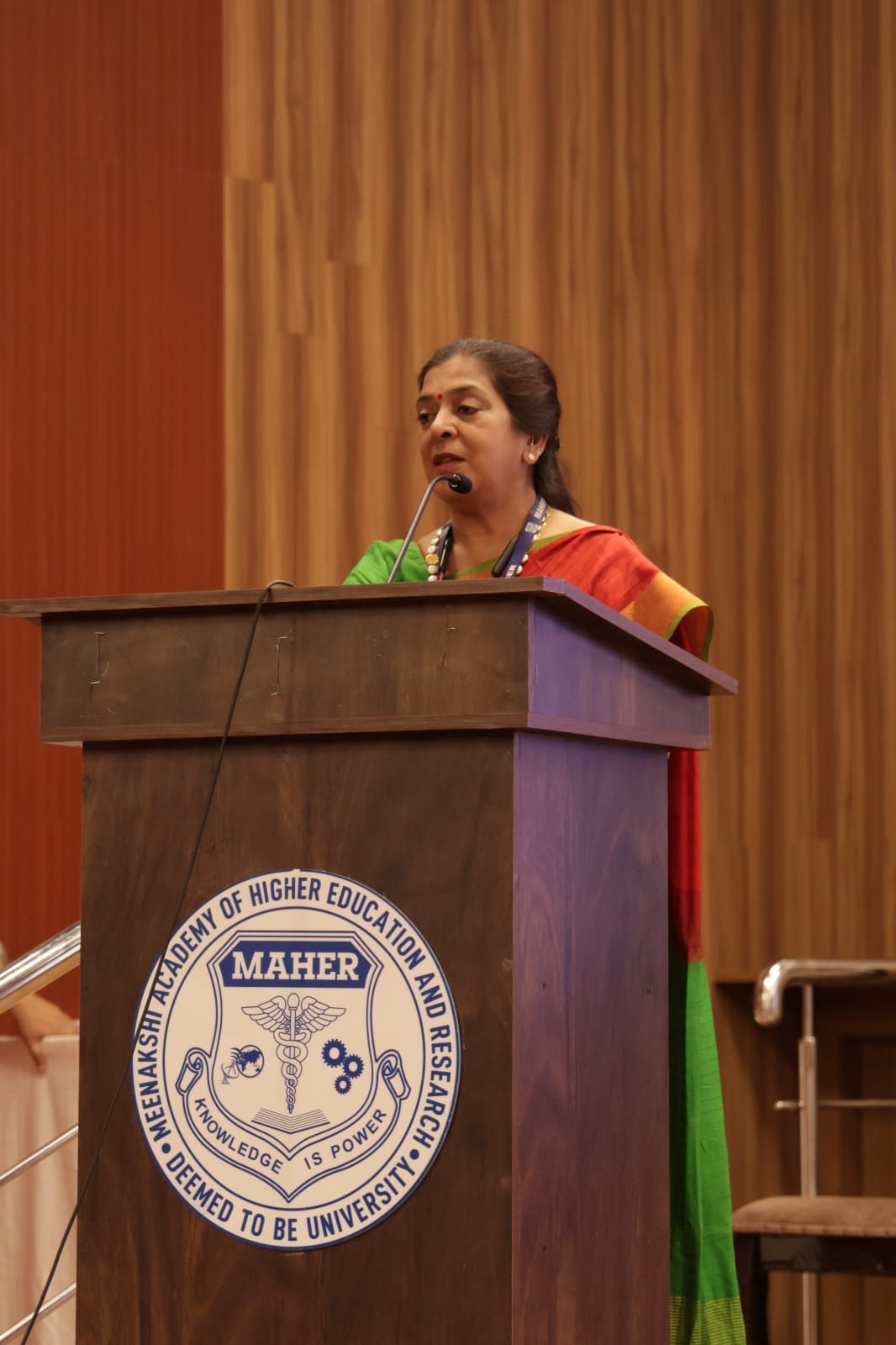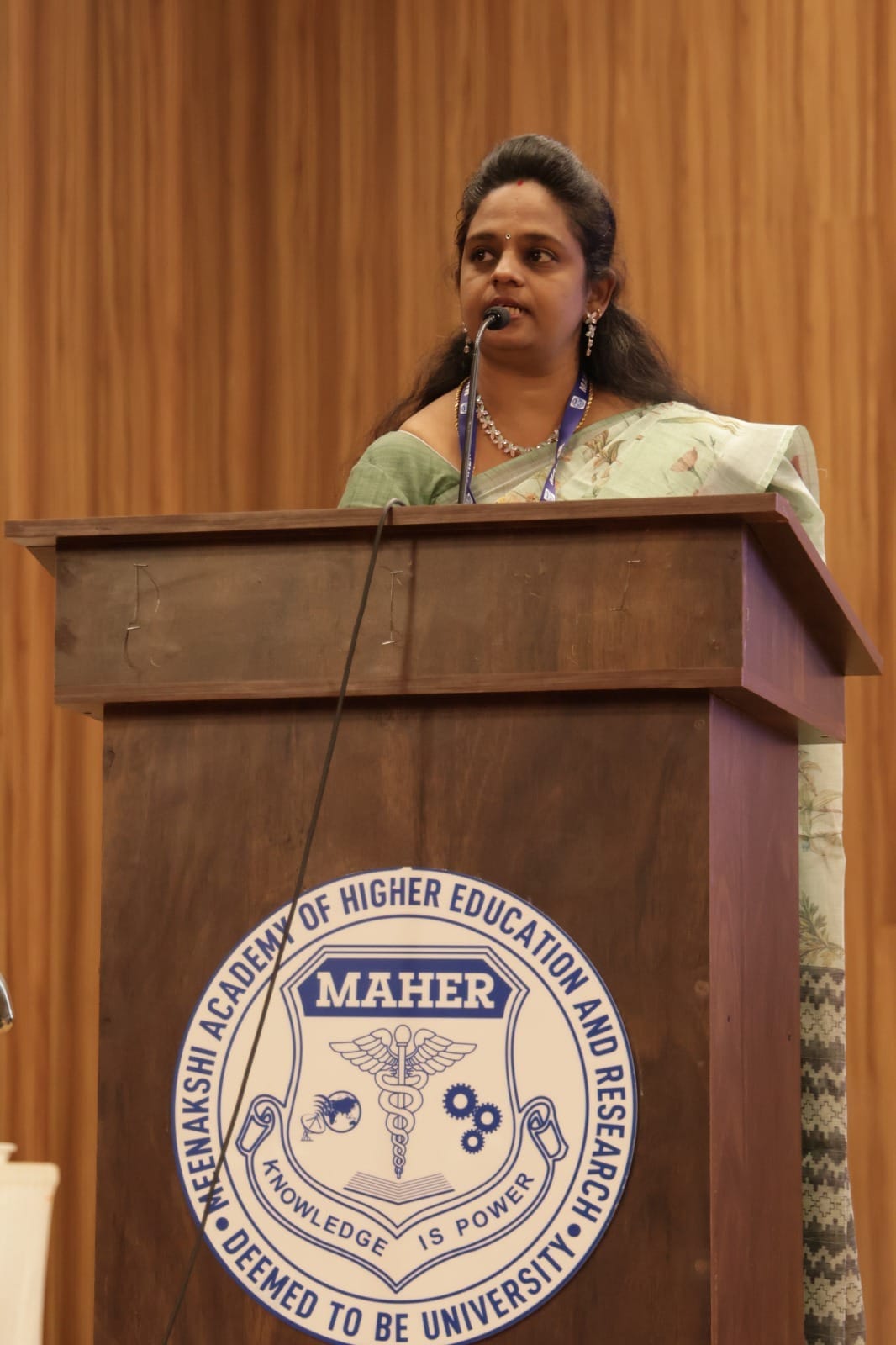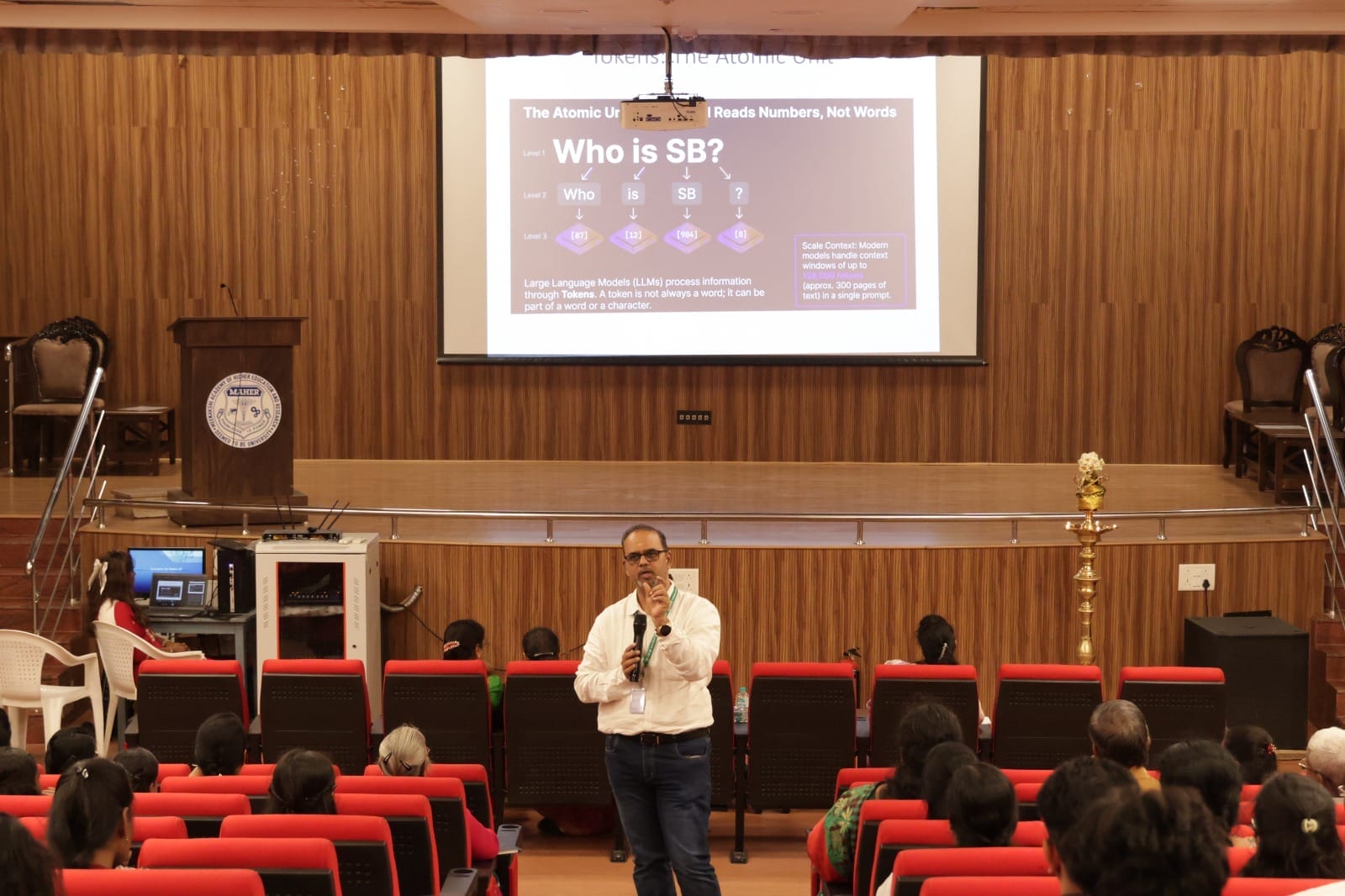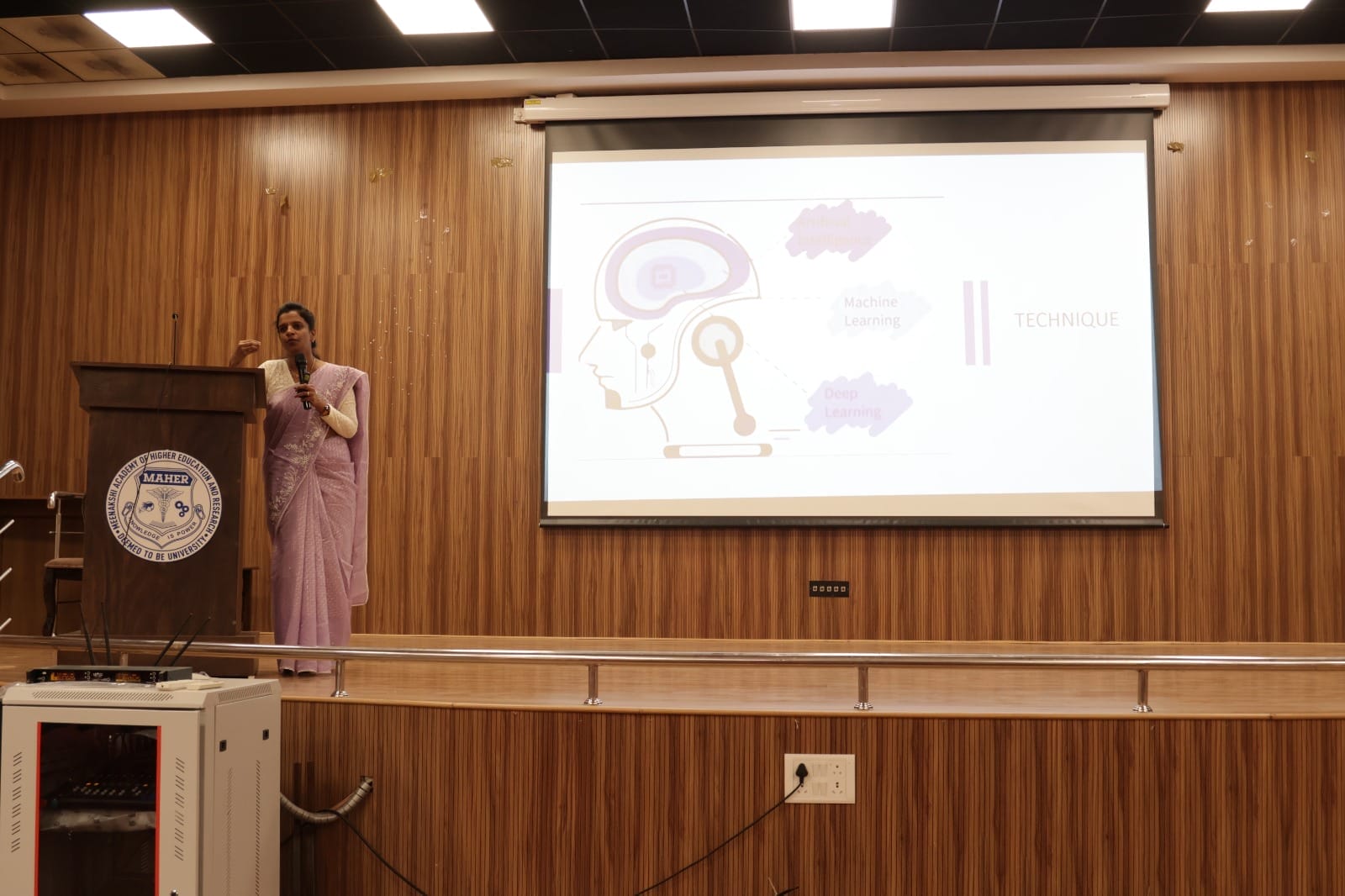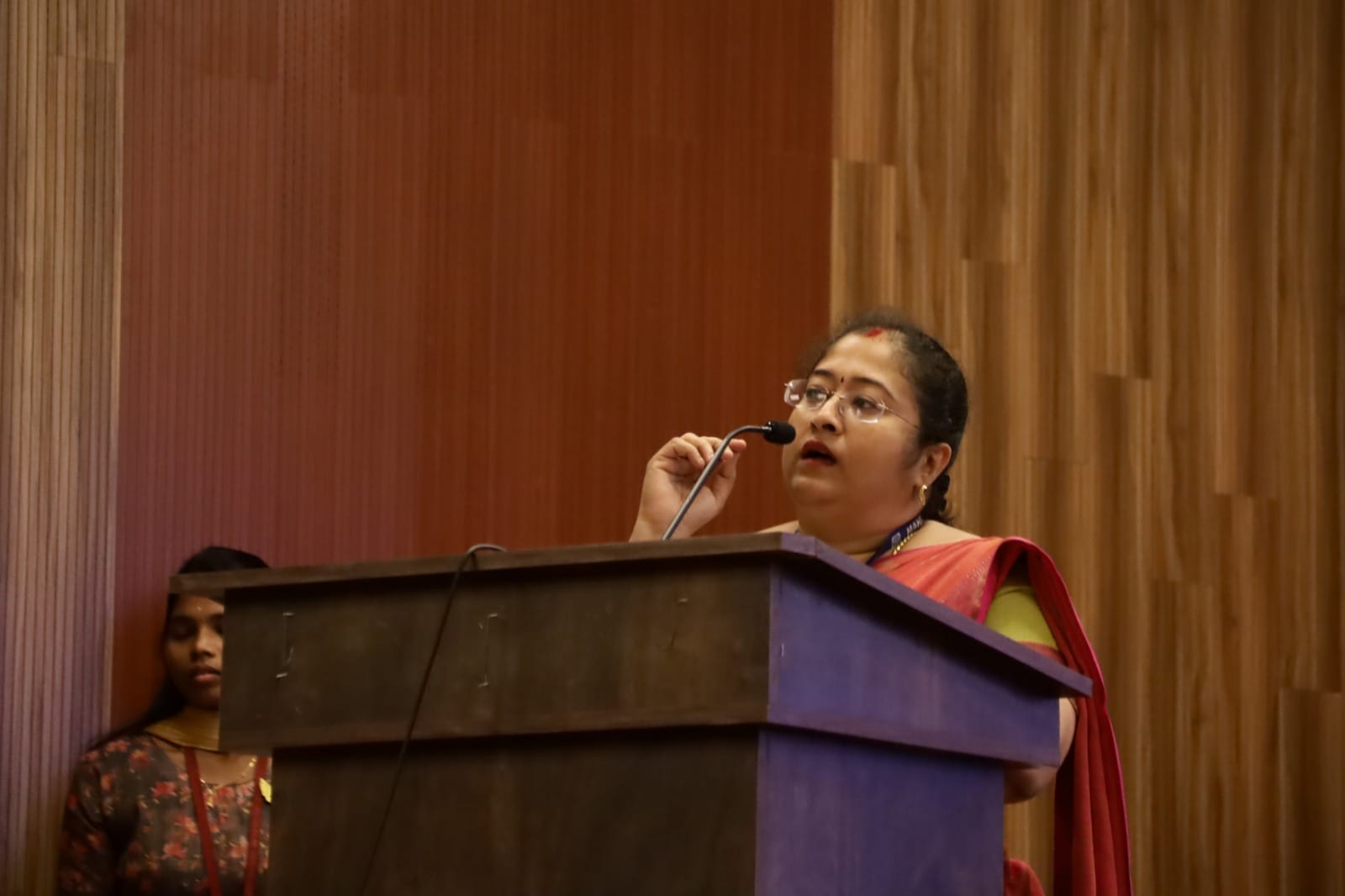
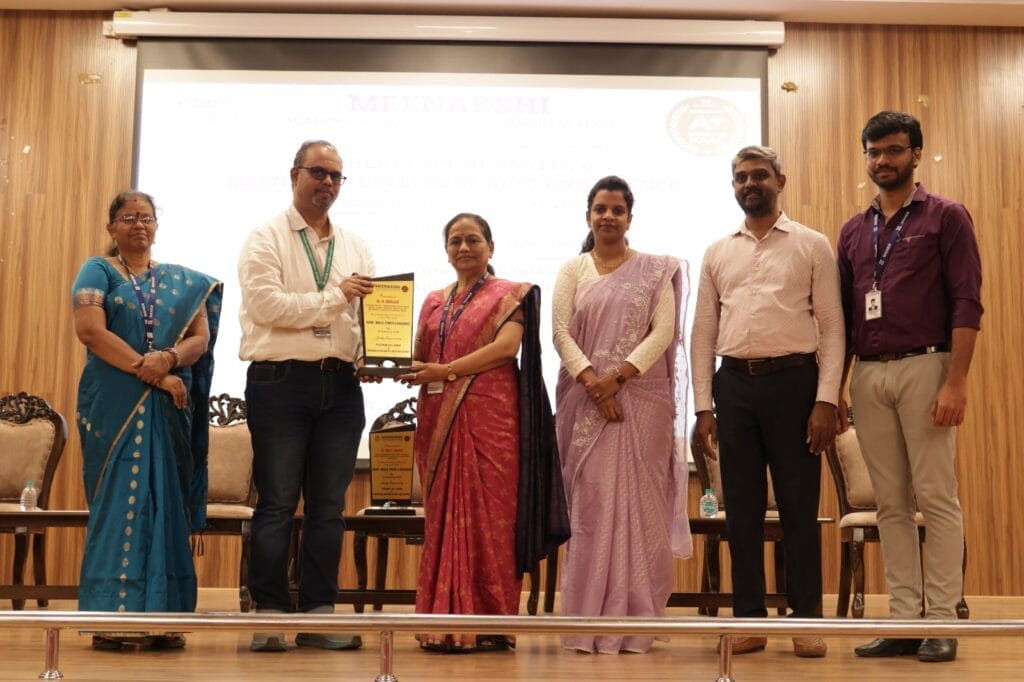
The MAHER Placement Cell, in collaboration with Meenakshi College of Arts and Science, successfully organized a University-level Expert Conclave titled “AI360: Skills, Ethics & Research” on 10th February 2026 at the MAHER Auditorium. Conducted in alignment with the AI Pre-Summit UGC initiative, the conclave aimed to strengthen artificial intelligence literacy, promote ethical awareness, and integrate AI-driven research within the framework of higher education.
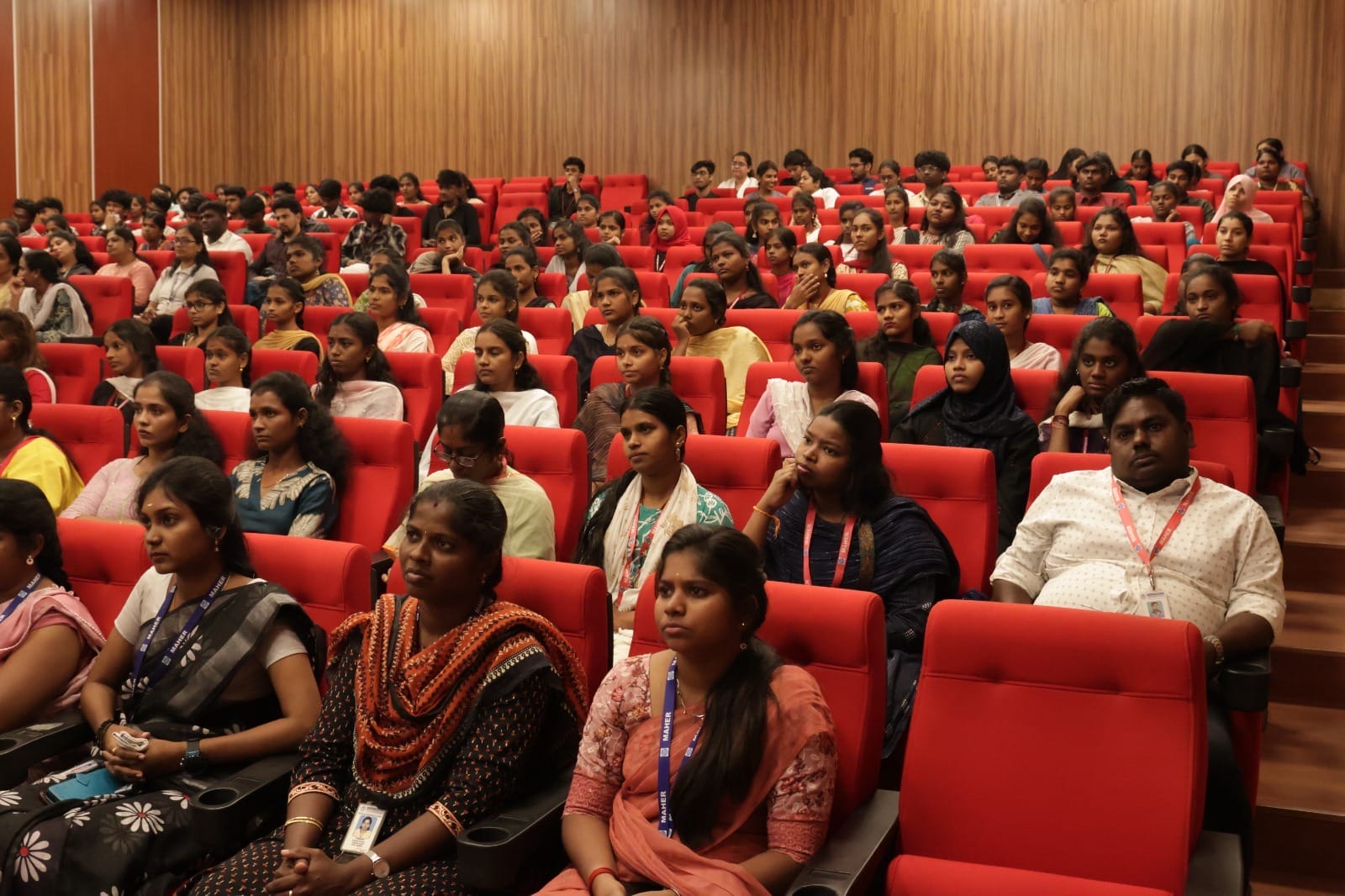
The event served as a dynamic, multidisciplinary capacity-building platform, bringing together over 200 participants, including faculty members, researchers, and students from all constituent institutions of MAHER. The conclave reflected the institution’s forward-looking approach to emerging technologies and its commitment to preparing learners for an AI-enabled future.
The expert sessions provided comprehensive and thought-provoking insights into AI in healthcare research and clinical applications, ethical frameworks and responsible AI adoption in academia, AI-driven entrepreneurship and innovation ecosystems, and global research perspectives with translational AI opportunities. The deliberations emphasized not only technological advancement but also the critical importance of responsible implementation and societal impact.
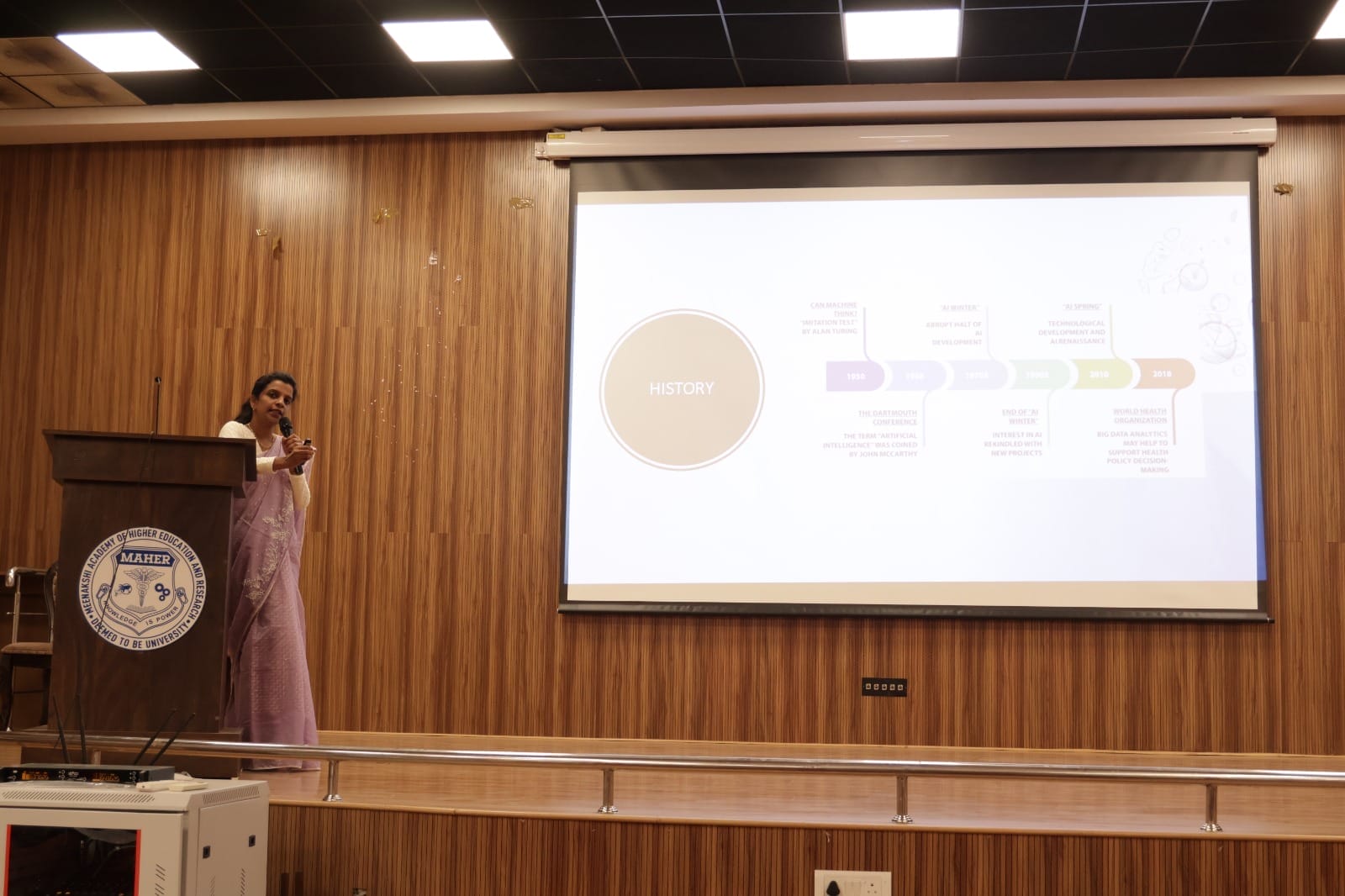
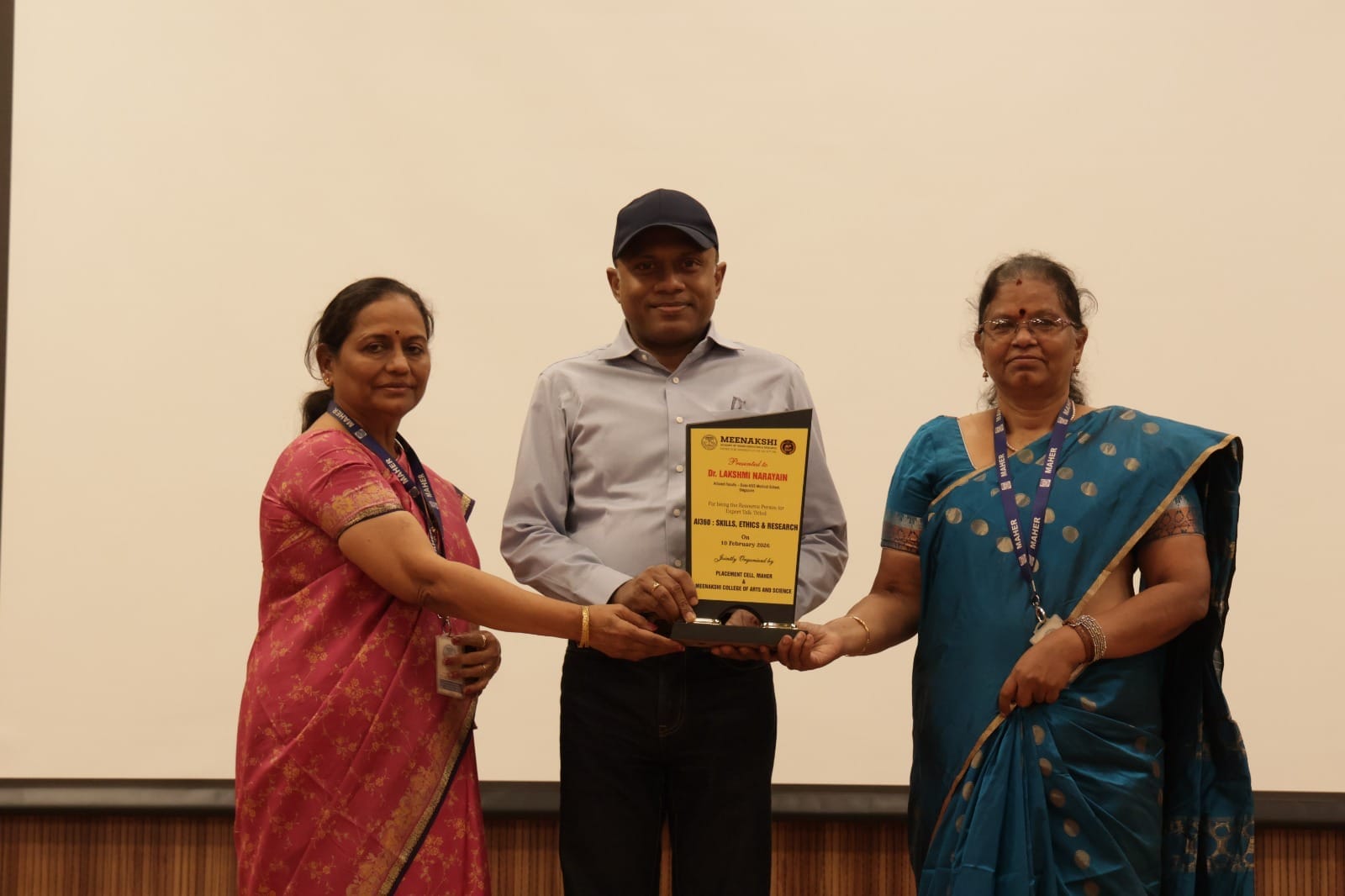
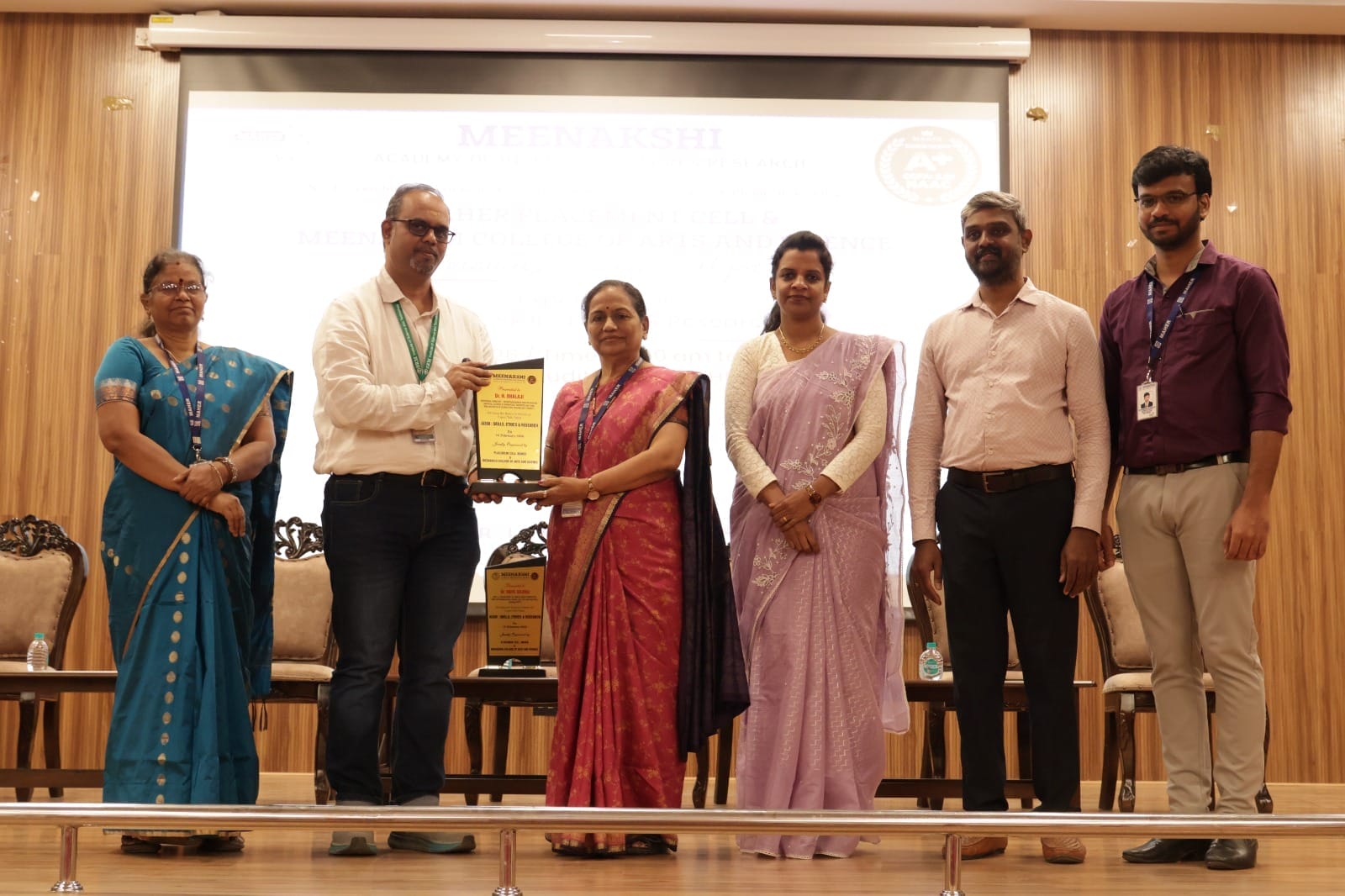
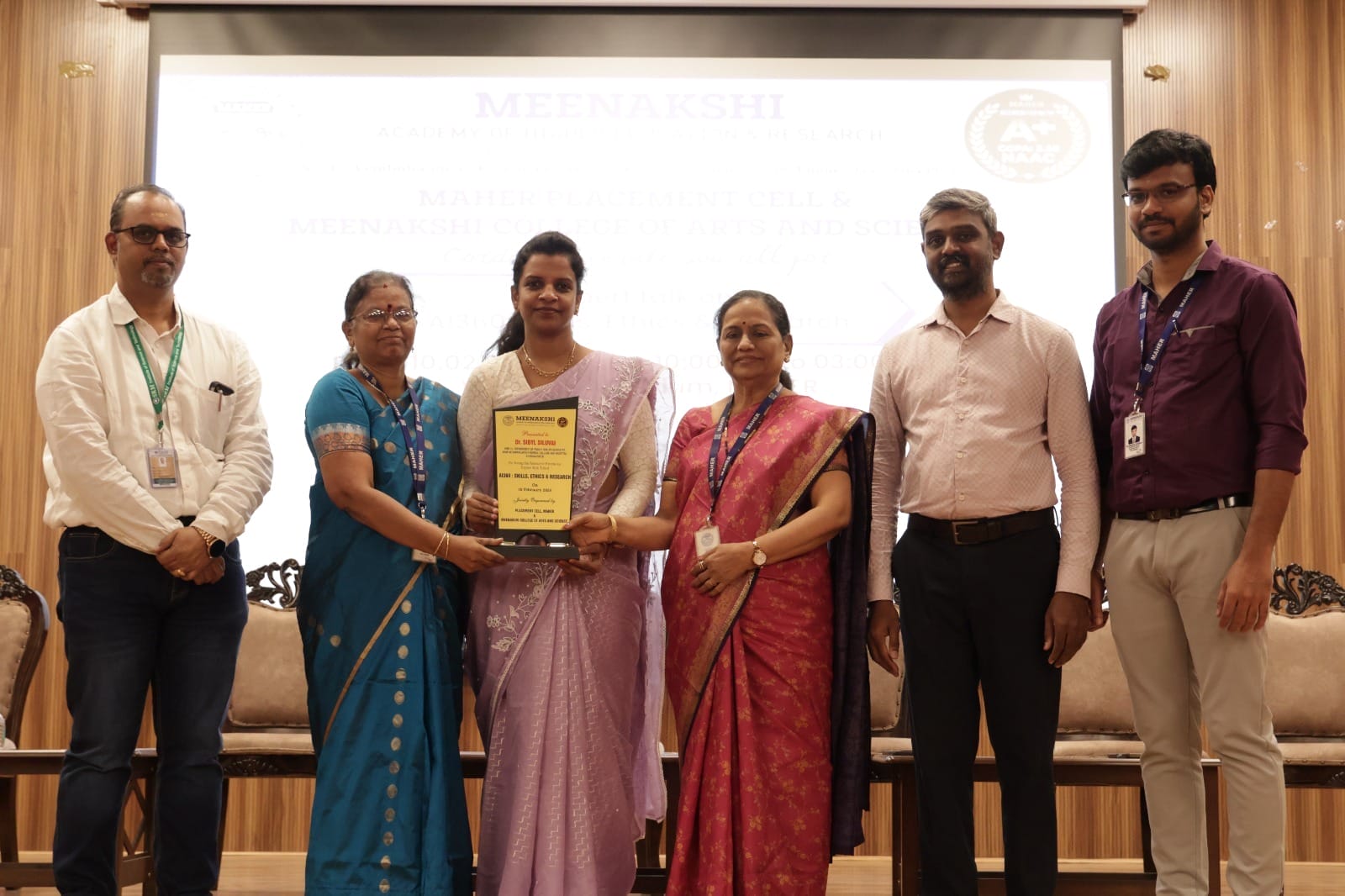
The conclave was privileged to host distinguished experts in the field. Dr. Sibyl Siluvai spoke on the transformative applications of AI in healthcare research, illustrating how intelligent systems are redefining diagnostics and clinical decision-making. Dr. N. Bhalaji highlighted the role of AI in entrepreneurship and incubation, shedding light on innovation pathways and start-up ecosystems powered by artificial intelligence. Dr. Lakshmi Narayin from Duke-NUS Medical School, Singapore, shared advanced research perspectives, offering global insights into cutting-edge AI developments and translational research opportunities.
The event fostered meaningful interdisciplinary dialogue and encouraged participants to integrate artificial intelligence into teaching methodologies, research initiatives, employability strategies, and innovation frameworks. It reinforced the importance of bridging academia, research, and industry while equipping learners with competencies in emerging technologies. Such initiatives continue to inspire institutions to cultivate future-ready professionals capable of navigating the evolving landscape of artificial intelligence.