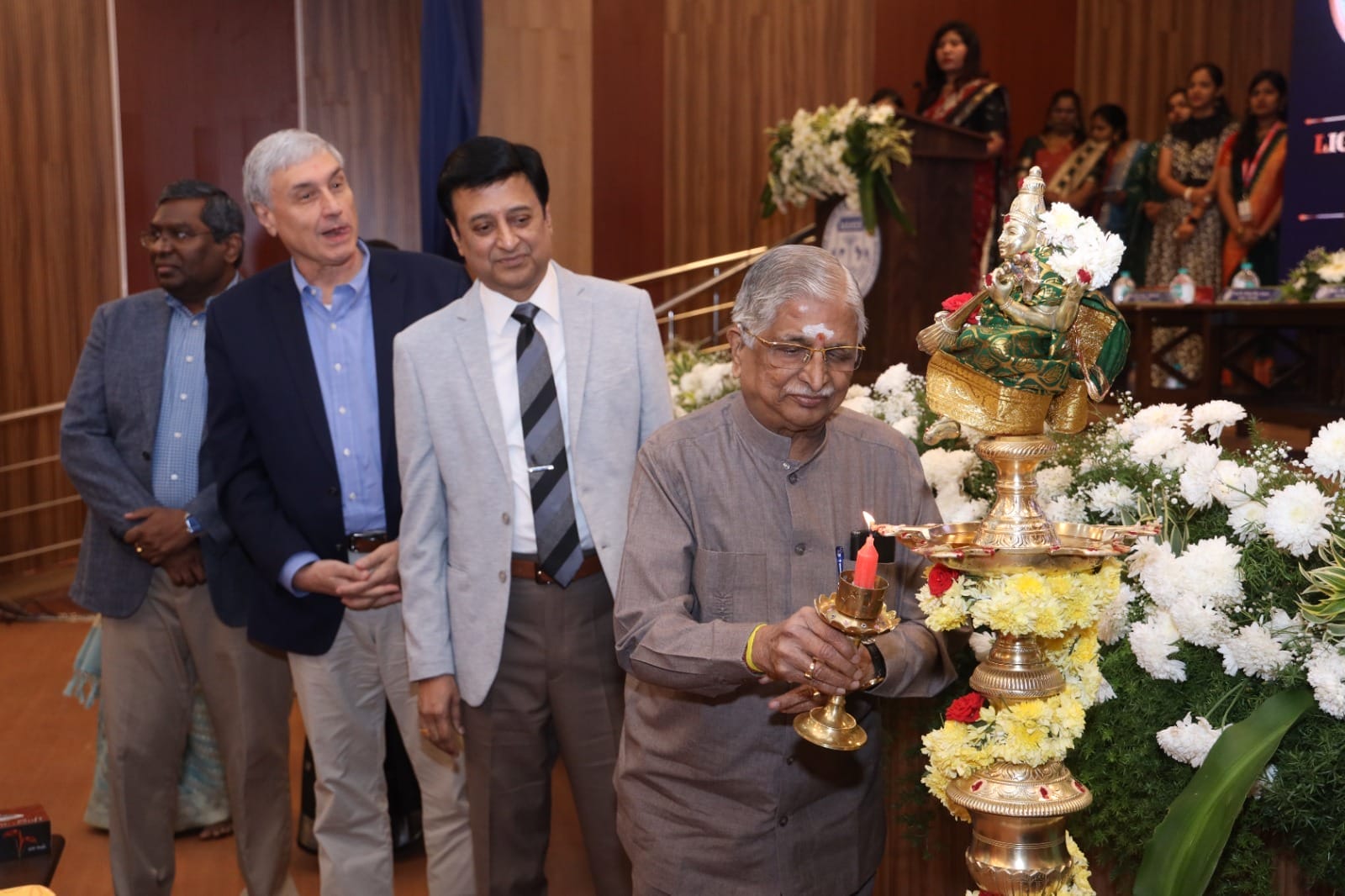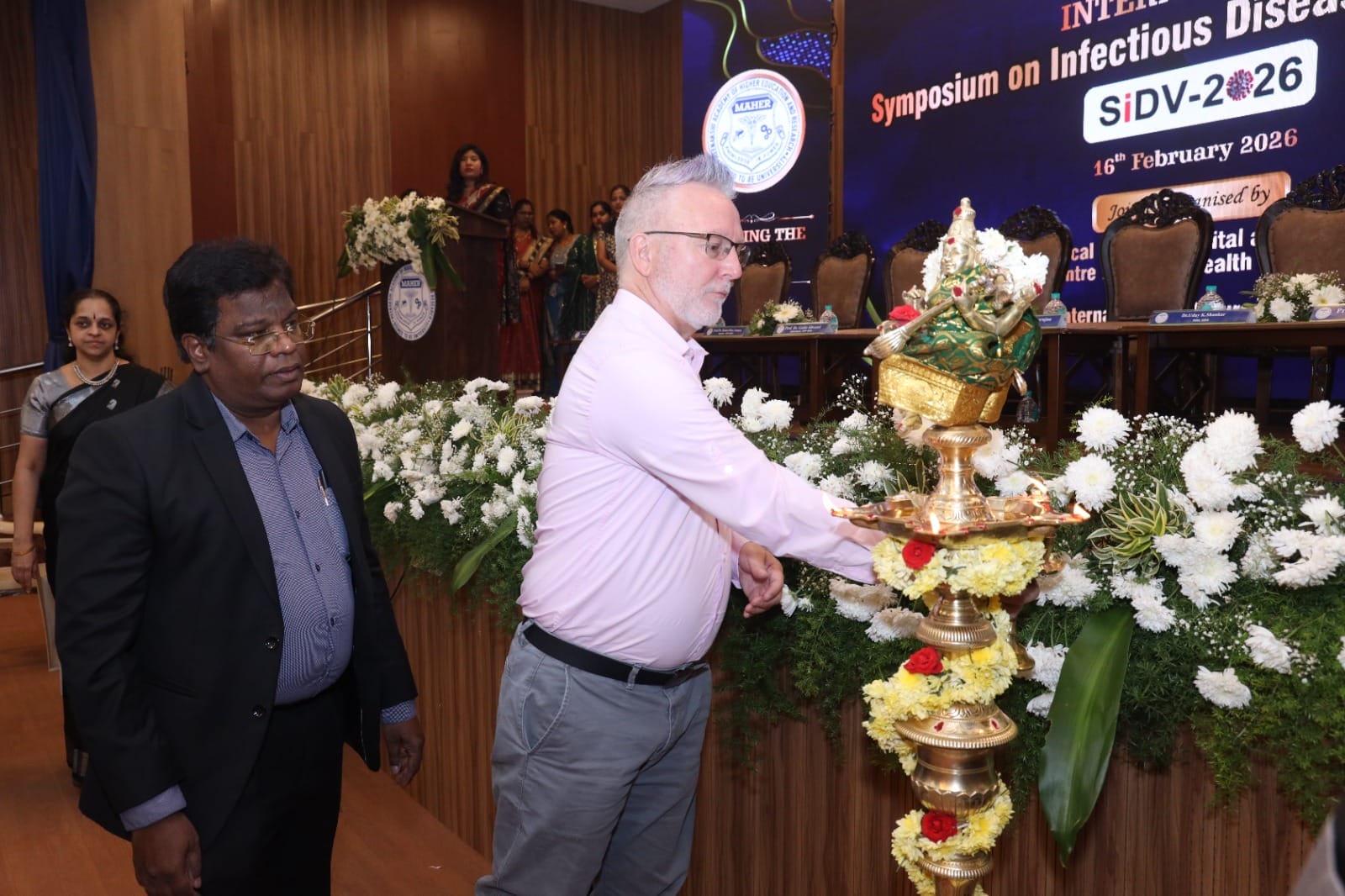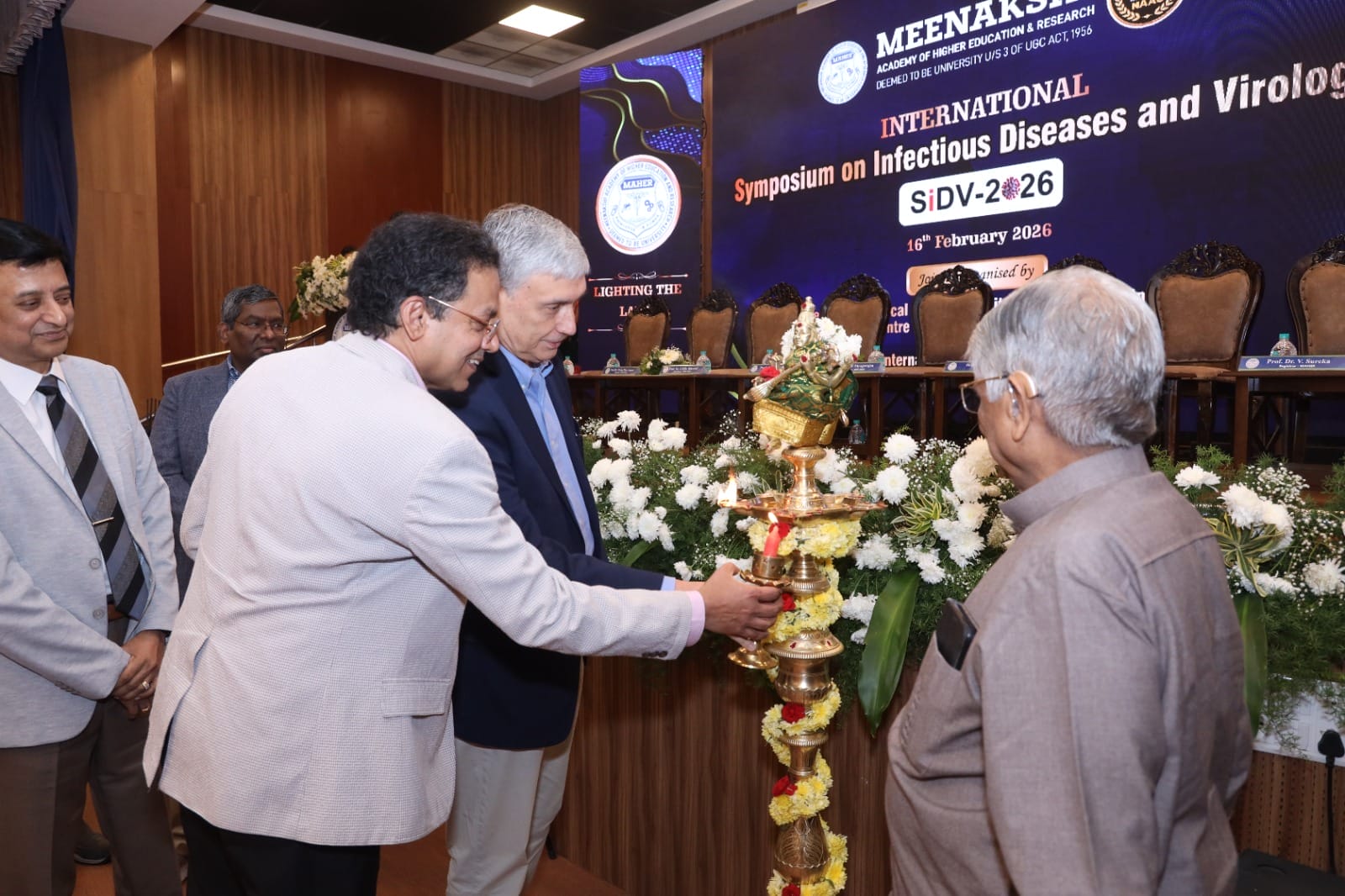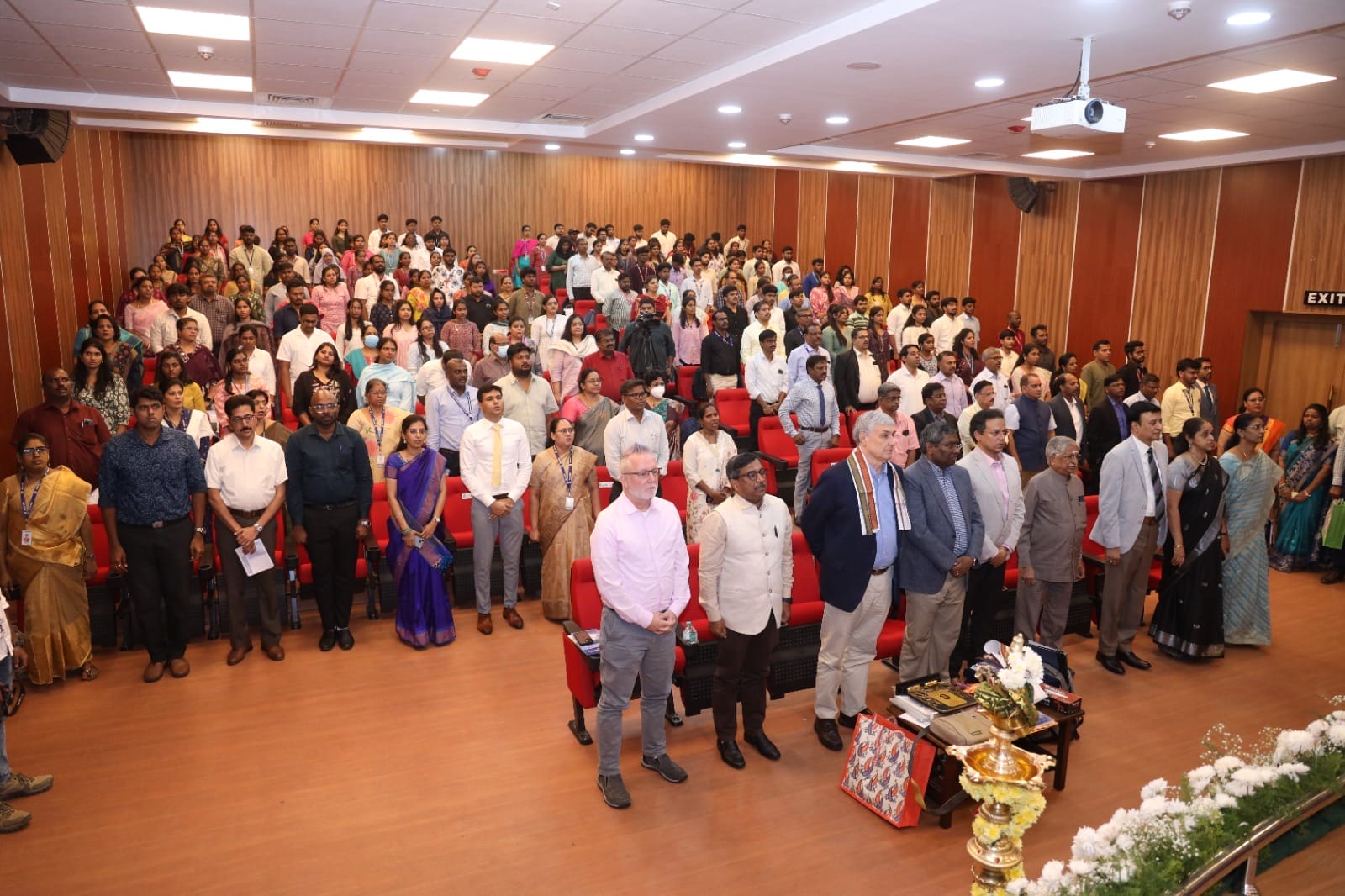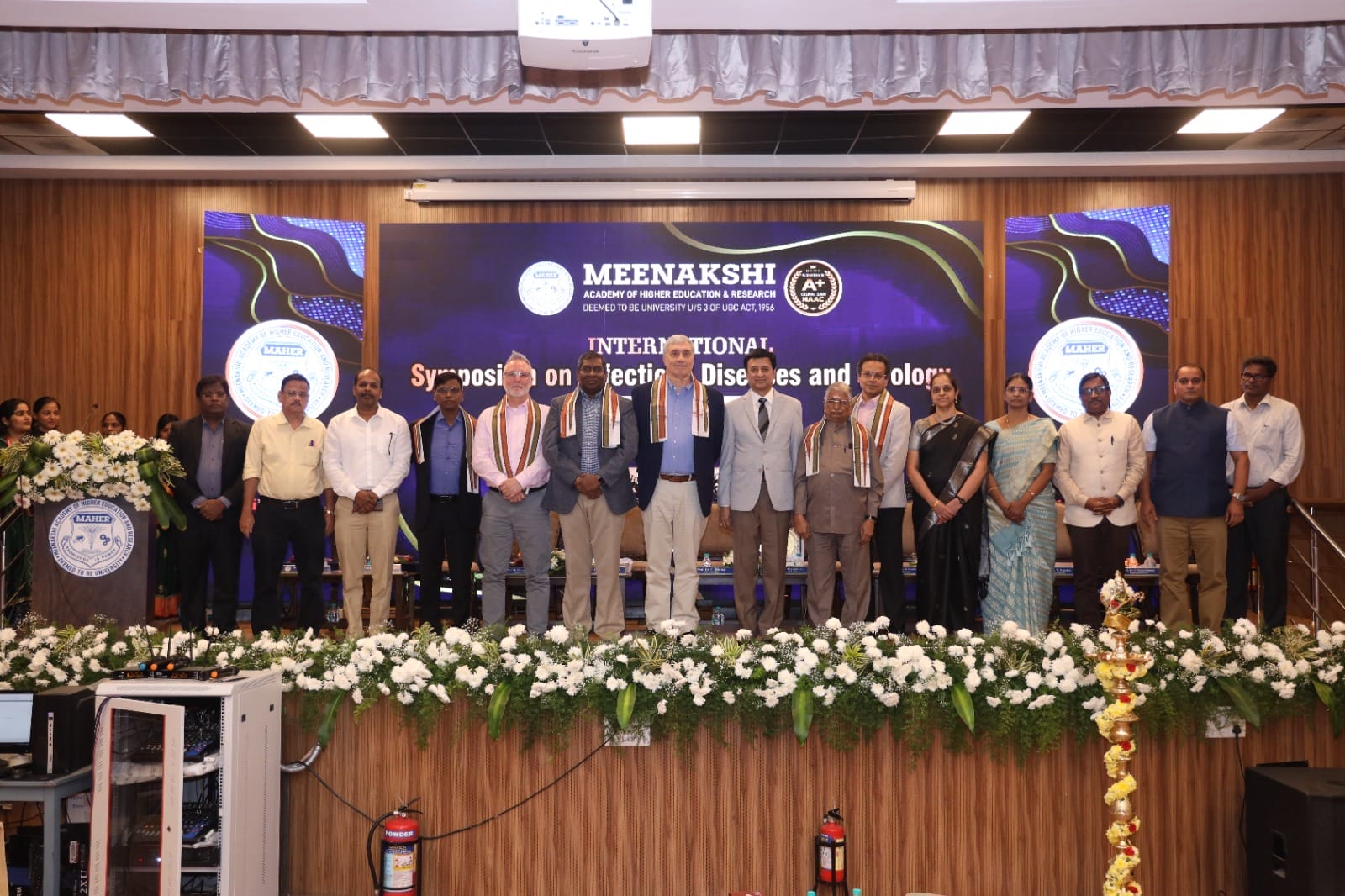
The International Symposium on Infectious Diseases and Virology (SiDV-2026) was successfully convened at Meenakshi Academy of Higher Education and Research (MAHER), Chennai, bringing together nearly 500 participants who attended both in person and through the virtual platform from across India and abroad. Jointly organized by Meenakshi Medical College Hospital & Research, the Centre for Global Health Research, and the Internal Quality Assurance Cell (IQAC), the symposium served as a distinguished academic forum dedicated to advancing scholarly exchange in infectious diseases, virology, immunology, vaccine science, and translational medicine. The event reflected MAHER’s sustained commitment to fostering global scientific engagement and interdisciplinary collaboration in addressing pressing public health challenges.
SiDV-2026 was honored by the presence of two eminent Chief Guests, Dr. Guido Silvestri and Dr. S. P. Thyagarajan. Dr. Guido Silvestri, Professor at Emory University School of Medicine, USA, is internationally recognized for his pioneering contributions to HIV pathogenesis and immune regulation. Dr. S. P. Thyagarajan, Distinguished Medical Microbiologist and former Vice-Chancellor of the University of Madras, has dedicated over five decades to medical education, research leadership, and academic administration. Their keynote addresses established an intellectually compelling foundation for the symposium, emphasizing integrative, evidence-driven strategies for combating infectious diseases in a rapidly evolving global health landscape.
The scientific sessions featured an exceptional constellation of international and national experts. Among the distinguished international speakers were Dr. Rama Rao Amara, Dr. Jason T. Blackard, Dr. Uday K. Shankar, and Dr. Vijayakumar Velu, whose presentations examined advances in vaccine platforms, virus–host interactions, HIV immunopathogenesis, immune checkpoint biology, and translational infectious disease research. Eminent national scientists including Dr. Priya Abraham, Dr. Alex Eapen, Dr. Luke Elizabeth Hanna, Dr. Jayandharan G. Rao, Dr. Arumugam Rajavelu, Dr. Shankar Esaki Muthu, Dr. Raju Sivadoss, and Dr. Rajesh Kumar enriched the deliberations with insights spanning molecular diagnostics, vector-borne infections, public health frameworks, immunotherapeutic strategies, and emerging viral research.
SiDV-2026 witnessed participation from a diverse spectrum of medical colleges, universities, research institutes, hospitals, and diagnostic centers across India and abroad. Delegates represented institutions such as Rajiv Gandhi Centre for Biotechnology, Central University of Tamil Nadu, Central University of Rajasthan, Maulana Azad Medical College, Government Stanley Medical College, Saveetha Medical College and Hospital, PSG Institute of Medical Sciences and Research, Dr. Rela Institute & Medical Centre, ICMR-National Institute for Research in Tuberculosis, ICMR-National Institute of Epidemiology, AIMST University, and Universiti Malaya, among others. Representation was also noted from several government medical colleges, allied health science institutions, dental colleges, pharmacy colleges, diagnostic laboratories, and public health departments. The broad institutional participation underscored the multidisciplinary and translational relevance of the symposium, strengthening its role as a collaborative academic platform connecting clinicians, researchers, academicians, and public health professionals.
A defining highlight of the symposium was the institution of the Dr. Gabriella Tarozzi-Silvestri Endowment Chair, commemorating a legacy of public health service and vaccination advocacy. The Endowment Lecture delivered by Dr. Guido Silvestri offered a comprehensive perspective on the evolving understanding of HIV/AIDS pathogenesis, prevention, and cure. The Dr. S. P. Thyagarajan Endowment Lecture, delivered by Dr. Rama Rao Amara, further underscored the transformative potential of innovative vaccine strategies in addressing persistent and emerging viral infections. These endowment lectures symbolized the convergence of global scholarship and institutional vision.
Across four thematic scientific sessions, the symposium fostered rigorous academic discourse and meaningful scholarly engagement. Interactive segments enabled thoughtful questions, critical reflections, and constructive scientific exchange, reinforcing the symposium’s spirit of collective inquiry. The release of the SiDV-2026 scientific compendium further reflected MAHER’s emphasis on knowledge dissemination and academic advancement.
Participant feedback collected through structured evaluation forms revealed an overwhelmingly positive response. Delegates appreciated the scientific depth of the lectures, the diversity of thematic coverage, and the opportunity for direct intellectual engagement with internationally renowned experts. The hybrid format was widely commended for enhancing accessibility and inclusivity. Suggestions provided by participants, including recommendations for extended panel discussions and thematic workshops in future editions, will be thoughtfully incorporated into subsequent academic initiatives.
The symposium was accredited with 2 Tamil Nadu Medical Council (TNMC) credit points, recognizing its academic rigor and clinical relevance. This accreditation enabled registered medical practitioners to benefit from Continuing Medical Education (CME) recognition, further reinforcing the symposium’s professional and educational value.
SiDV-2026 concluded with a renewed affirmation of collaborative research, translational innovation, and sustained international partnerships in infectious disease control. The symposium stands as a significant academic milestone, reinforcing MAHER’s position as a dynamic center for scientific excellence and global leadership in infectious diseases and virology research.